The Smart Play Series: Why Educational Play Matters in Every Child’s Room
Play is far more than entertainment — it is the foundation of learning. Educational toys for kids turn everyday playtime into opportunities for cognitive growth, motor skill development, and problem-solving practice. When thoughtfully integrated into a child’s bedroom or play space, these toys become powerful tools for development.

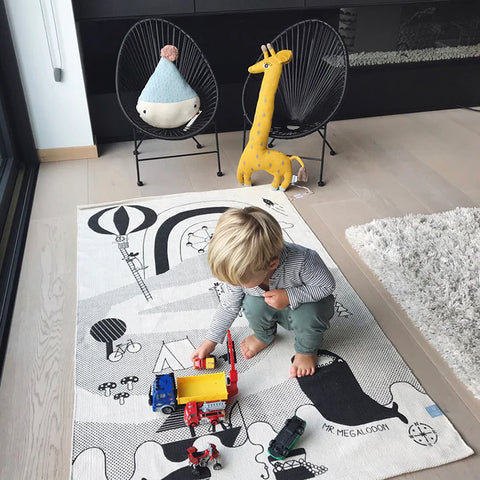
The environment matters just as much as the toys themselves. A well-organised space invites deeper engagement. Start by creating a defined activity area using a comfortable play mat. Whether building block towers, assembling puzzles, or experimenting with shape sorters, children benefit from having a soft, designated surface that signals: “This is where I explore.”
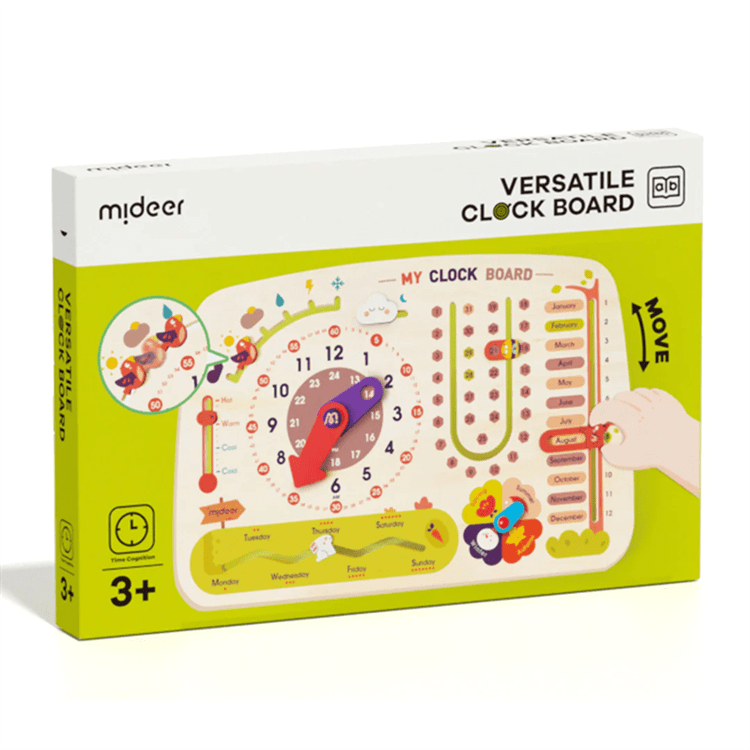
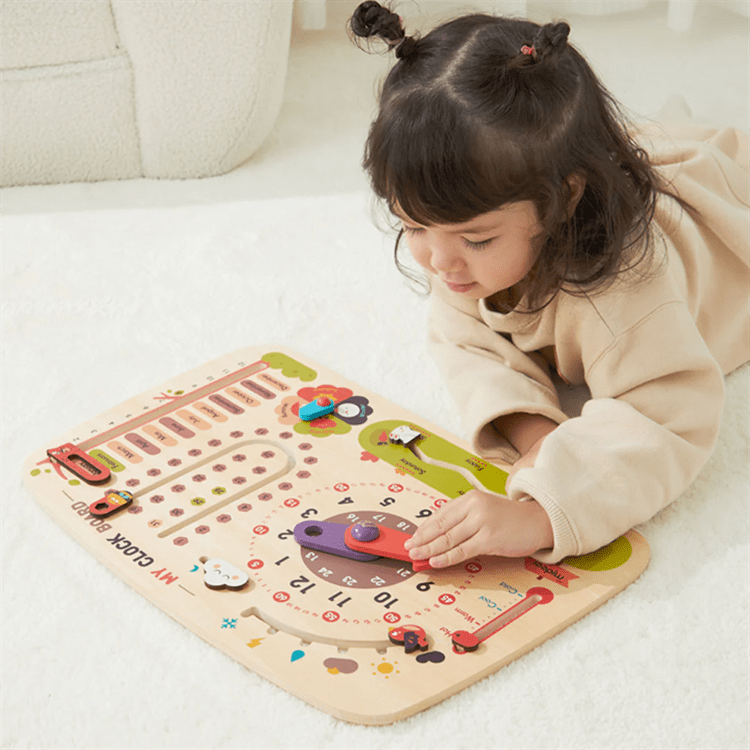
Educational toys come in many forms — wooden building blocks, puzzles, counting frames, science kits, and sensory boards. The key is choosing open-ended activity toys that grow with your child. Blocks, for example, start as stacking tools for toddlers and evolve into engineering projects for older children.
Accessible bookshelves play a quiet but powerful role. Displaying educational books alongside activity toys encourages natural curiosity. A child building with magnetic tiles might reach for a book about bridges or animals. When books and toys live side by side, learning becomes seamless.
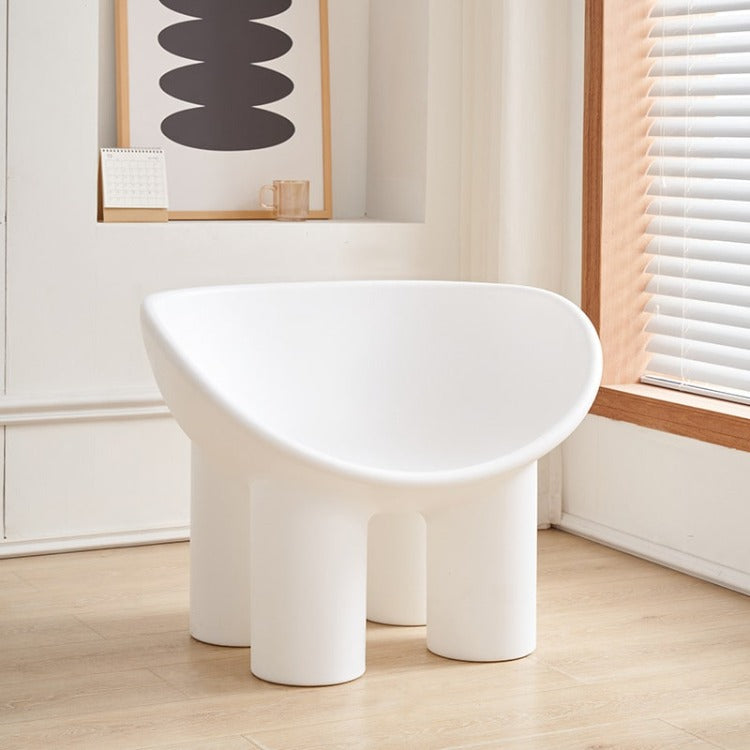
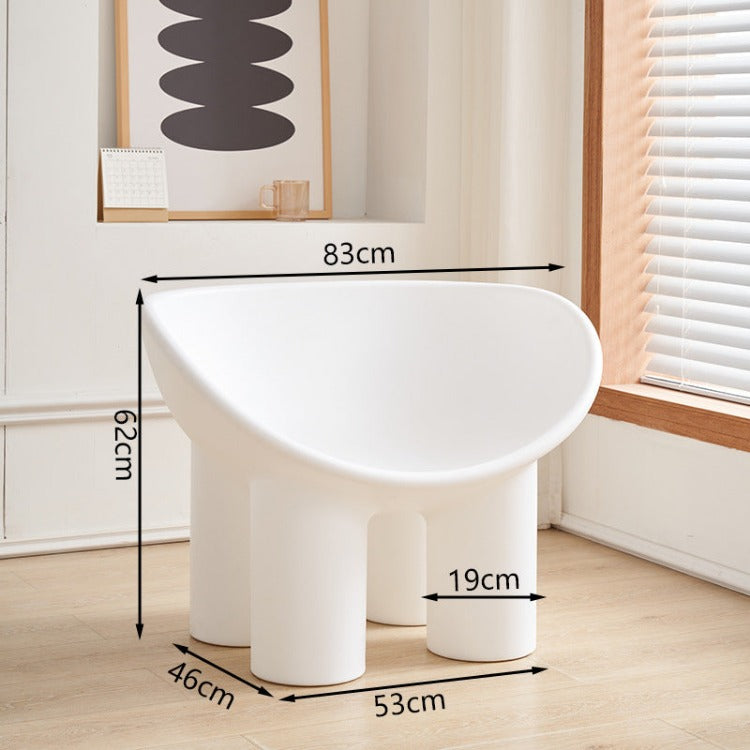
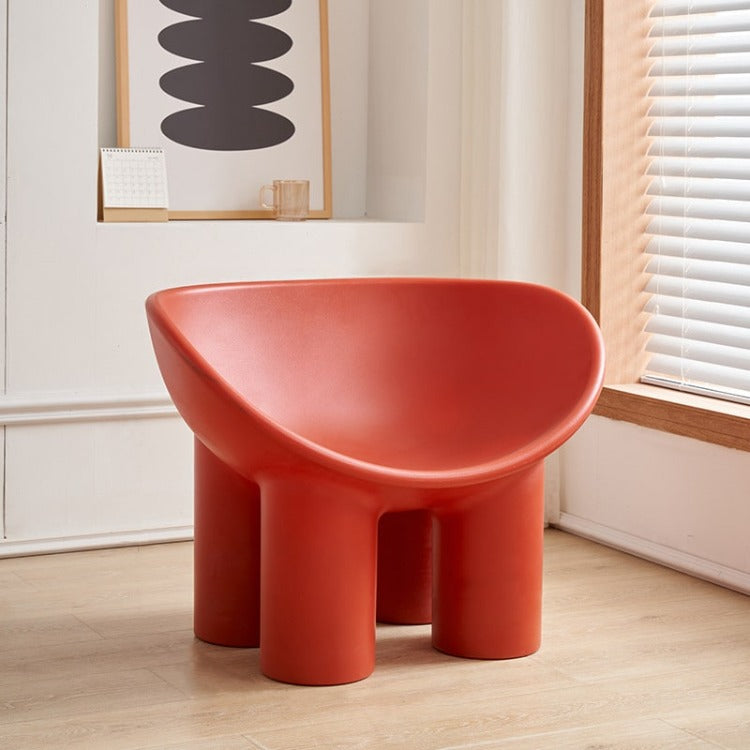
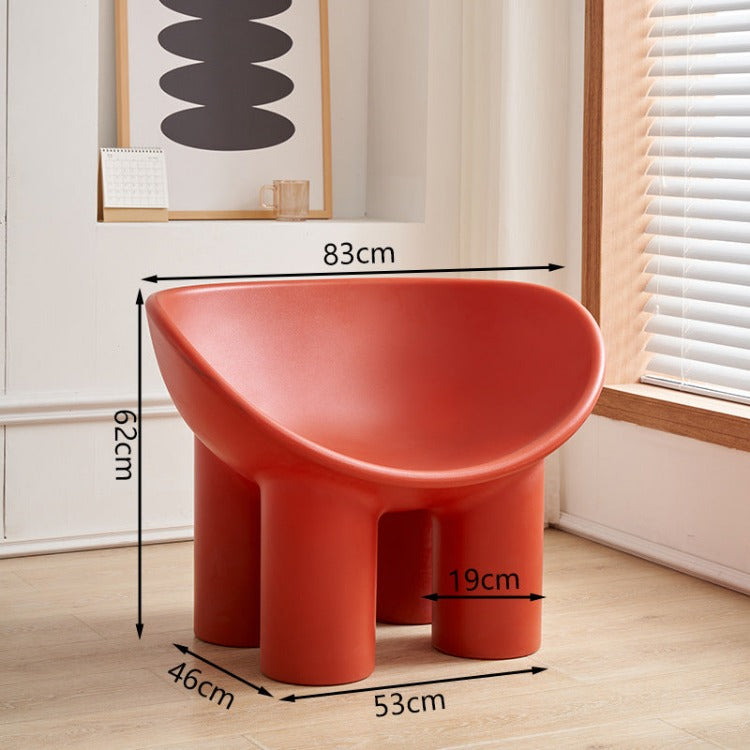
Furniture layout also supports play quality. Low tables and child-sized chairs allow children to focus comfortably on activities such as drawing, experimenting, or building. Kids furniture should empower independence — when children can access their materials easily, they’re more likely to initiate play on their own.
Storage is essential for maintaining calm and encouraging rotation. Instead of overwhelming children with too many options, use labelled bins or baskets to rotate educational toys weekly. Rotating activity toys keeps interest fresh and reduces clutter.

The magic of educational play lies in its subtlety. Children don’t realise they are strengthening hand-eye coordination, practicing early maths, or developing patience. They simply feel engaged and capable.
By combining purposeful educational toys, an inviting play mat, organised storage, and accessible bookshelves, you create a room that nurtures both joy and growth.
In the next article, we’ll explore how to choose the right activity toys for different age stages.
FAQ’S
- Choosing Activity Toys that Grow with your Child