The Smart Play Series: Choosing Activity Toys That Grow With Your Child
Not all toys are created equal — and not all are suitable for every stage. Choosing the best activity toys for kids means understanding how children develop and selecting items that challenge without frustrating.

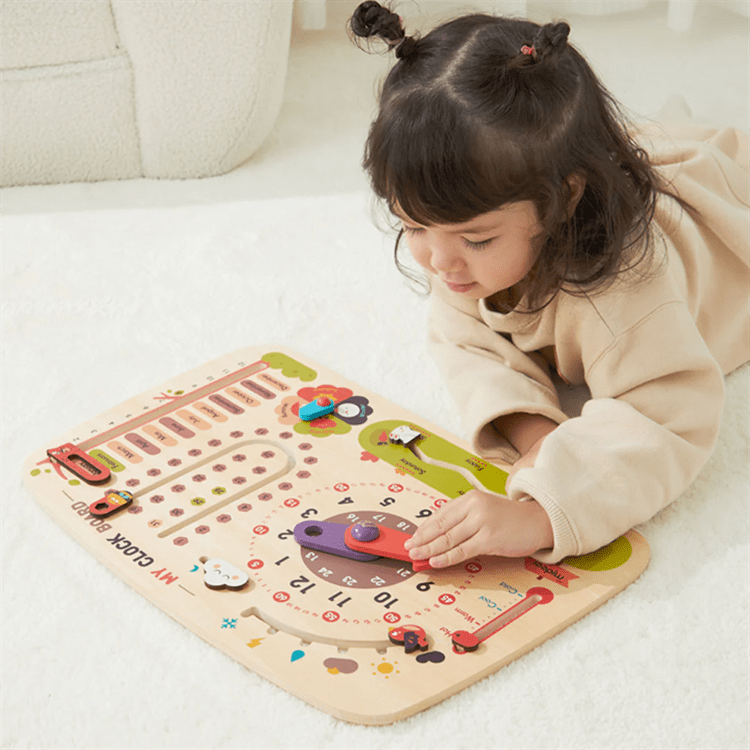
For toddlers, sensory exploration is key. Soft stacking blocks, textured balls, shape sorters, and simple wooden puzzles build fine motor skills. These toys work beautifully on a padded play mat where little ones can safely explore.
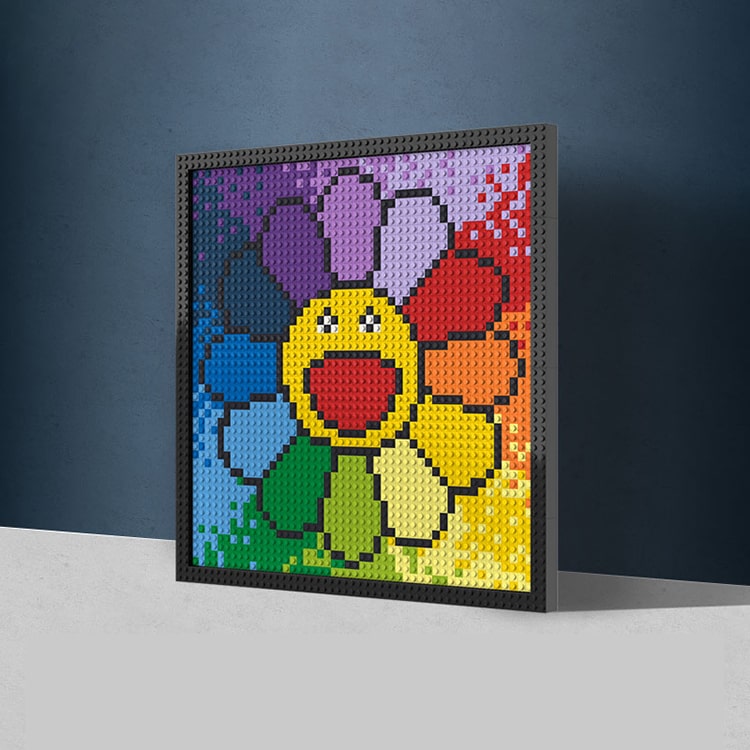
Preschoolers begin to enjoy imaginative and constructive play. Building sets, magnetic tiles, pretend play kitchens, and beginner craft kits encourage creativity and storytelling. A small activity table paired with child-sized chairs creates a focused workspace for these projects.

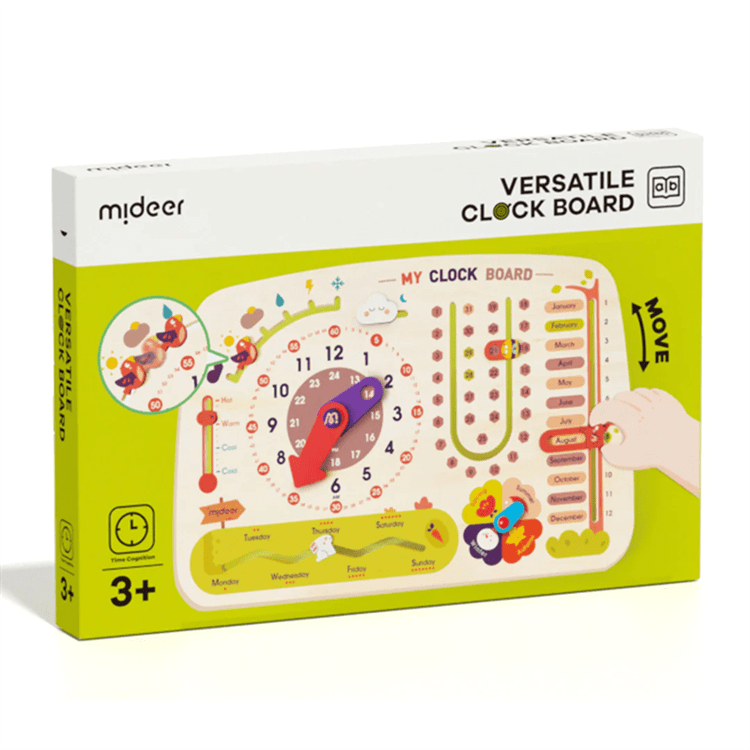
As children enter early primary school, problem-solving becomes more sophisticated. STEM kits, logic puzzles, board games, and beginner coding toys offer engaging challenges. Bookshelves can now hold reference books, science experiment guides, or themed activity books that complement their toys.
One of the smartest strategies is choosing open-ended toys. Blocks, art supplies, and construction sets adapt as children grow. Instead of buying entirely new categories every year, build a foundation of versatile educational toys that evolve in complexity.
Storage systems should also evolve. Clear bins help younger children see their options, while labelled drawers work well for older kids managing craft materials or science kits. Teaching children to pack away after use builds responsibility and respect for their belongings.

Avoid overcrowding the space. Too many activity toys at once can reduce focus. Rotate toys to maintain excitement and prevent overwhelm.
The right activity toys don’t just entertain — they stretch thinking, build resilience, and encourage independence. In the next article, we’ll look at how to create a dedicated learning corner within your child’s room.
FAQ’S
- Why Educational Play Matters in Every Child’s Room