Future-Ready Kids Rooms: Kids Room Décor Ideas
Creating a child’s bedroom is one of the most joyful spaces to design. It’s where imagination grows, books are explored, forts are built, and toys are scattered — and ideally, neatly packed away again. The key to successful kids’ room décor ideas is blending creativity with clever function.
Start with the foundation:
Layout! A well-designed kids room includes zones — a sleeping space, a play space, and a learning or reading nook. Zoning helps the room feel organised while still allowing freedom to play.
A soft, high-quality play mat instantly defines the play zone. Beyond comfort, play mats add texture, colour, and warmth. Choose neutral tones for longevity or playful patterns for personality. They protect little knees during playtime while also insulating against cold floors — especially useful in winter months.

Next, consider furniture scale. Kids furniture should be child-sized where possible. Lower beds, small tables, and easy-to-reach shelves encourage independence. A compact bookshelf at eye level invites children to choose their own bedtime stories, creating ownership and confidence. Front-facing bookshelves are especially effective for younger children, as covers are more visually engaging than spines.

Storage is where practicality meets sanity. Open baskets, stackable bins, and labelled boxes make clean-up simple and achievable. Closed storage units keep visual clutter at bay while maintaining a calm atmosphere. The goal isn’t perfection — it’s functionality that works for everyday life.

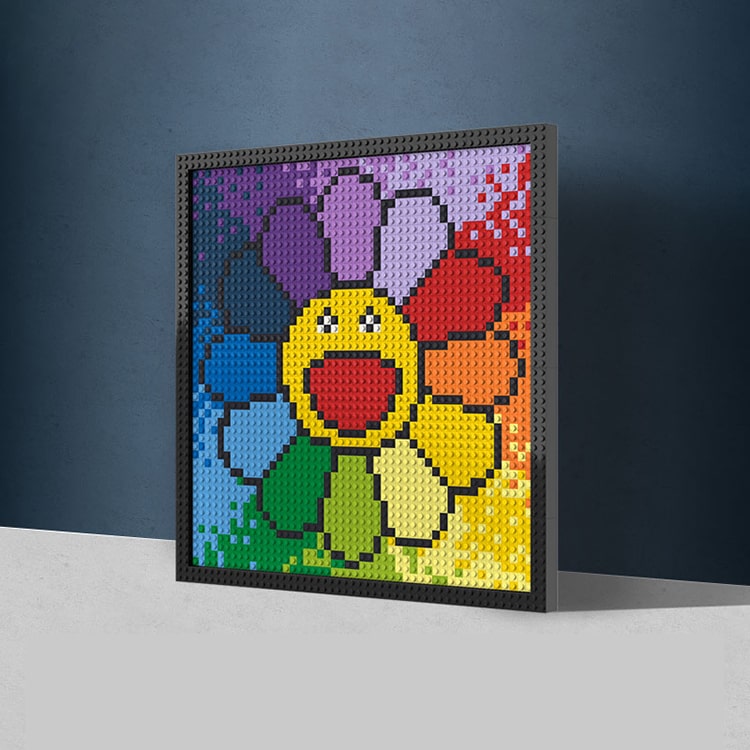
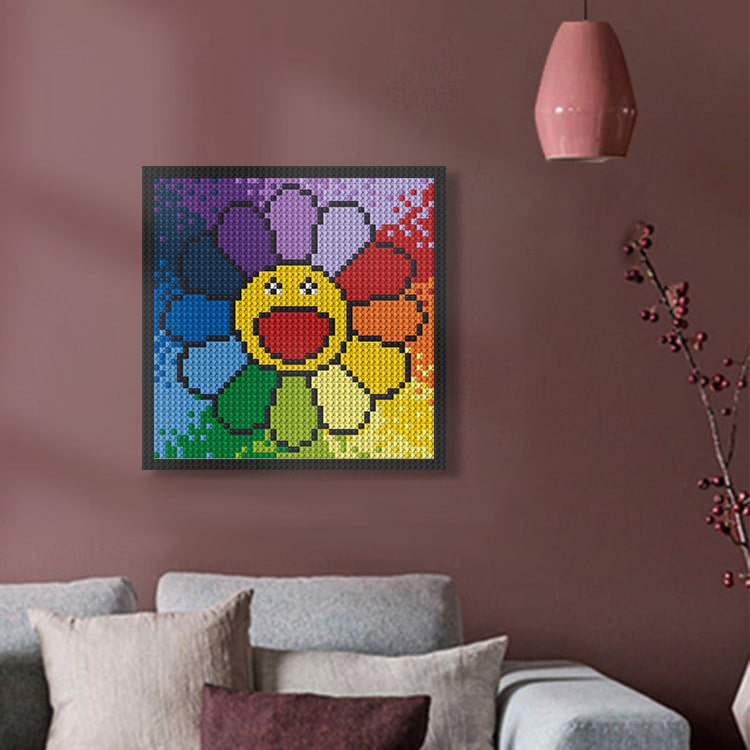
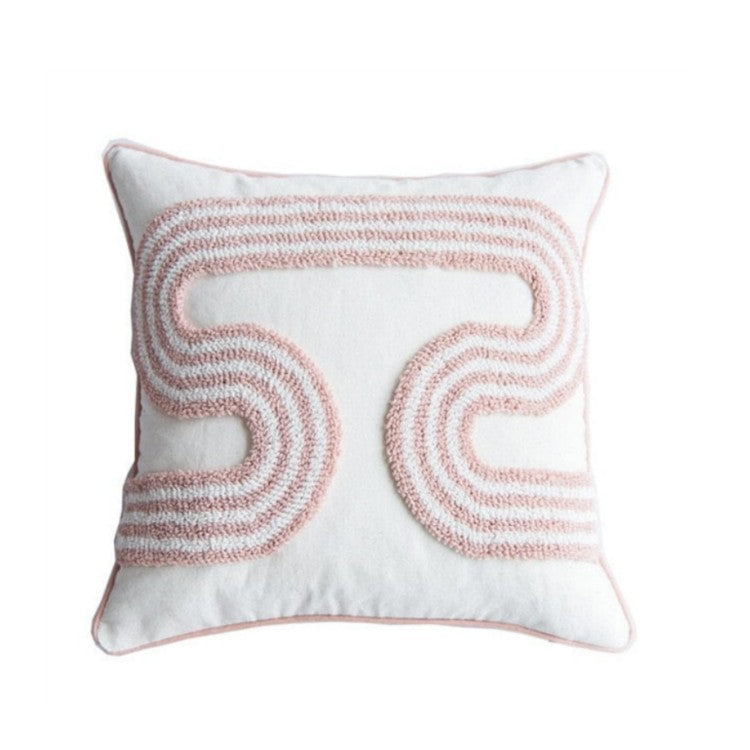
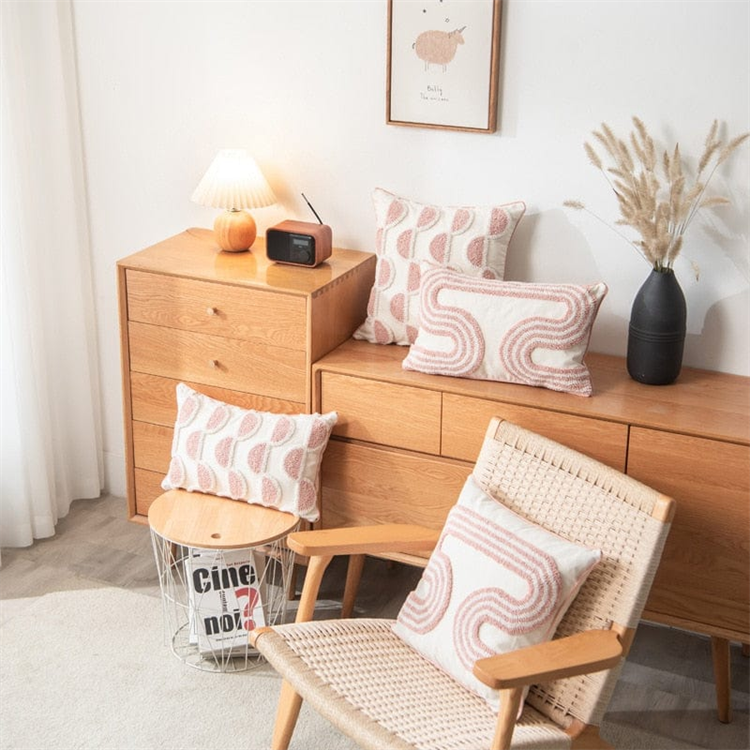
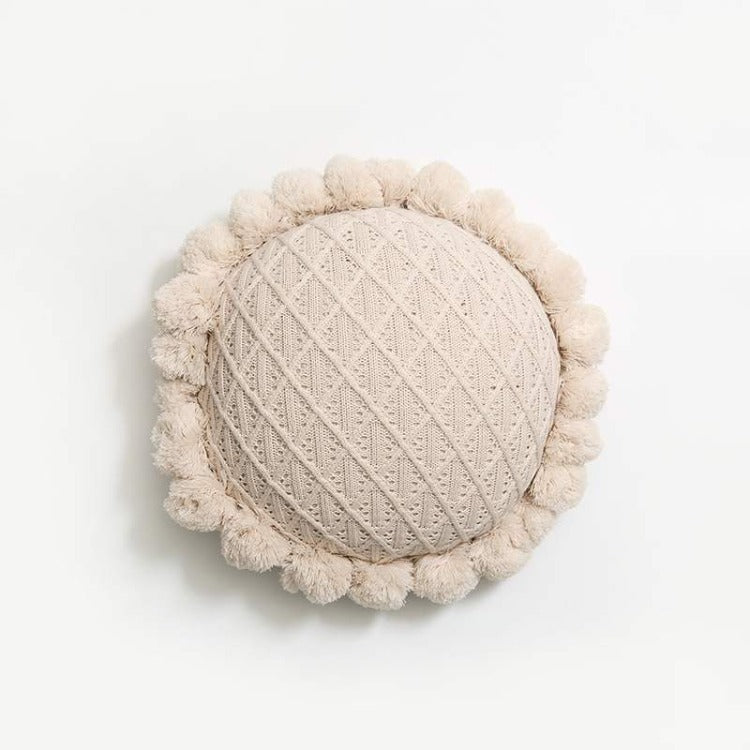
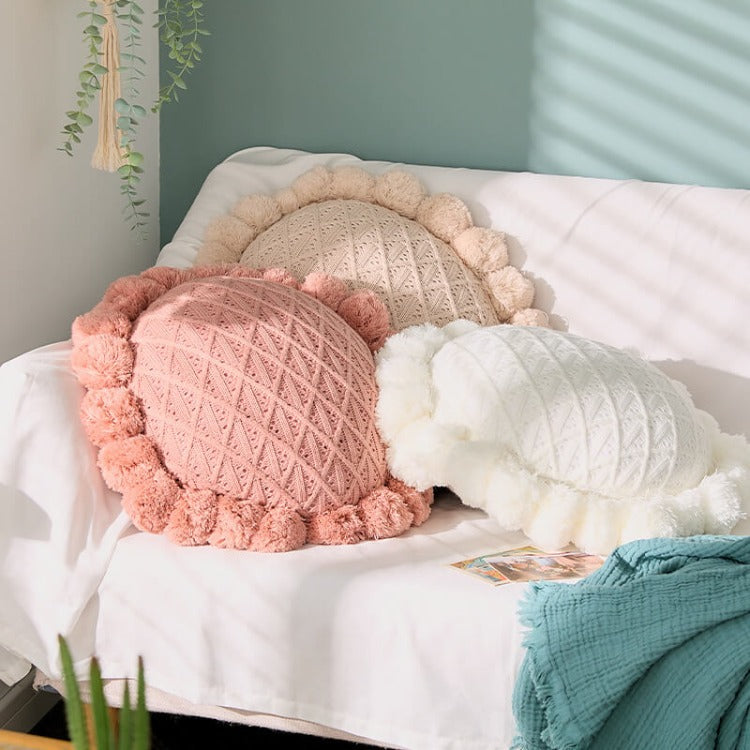
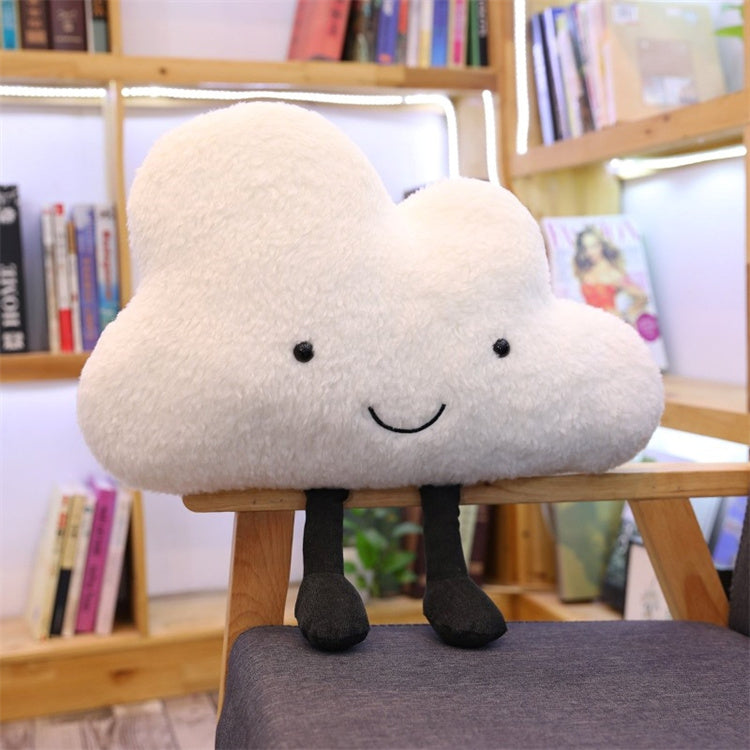
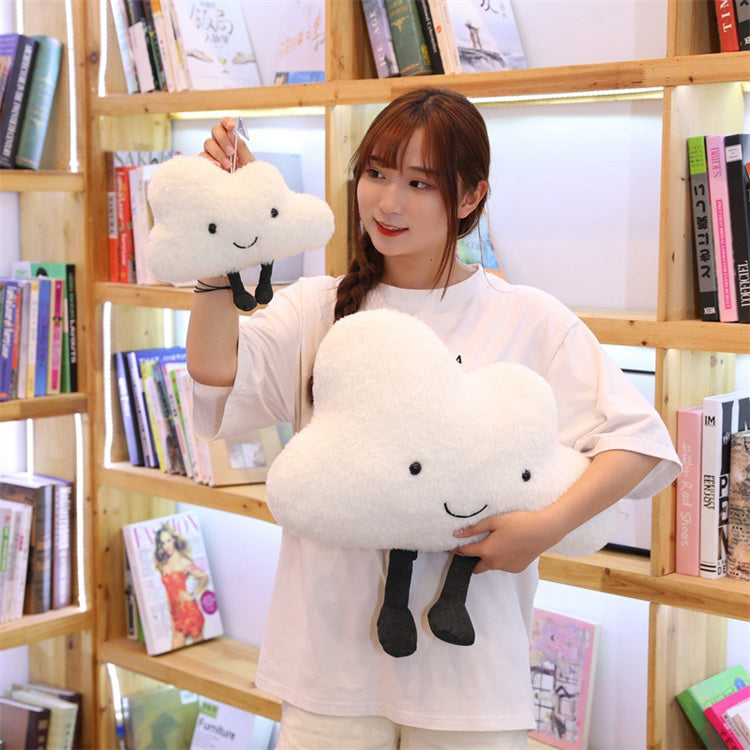
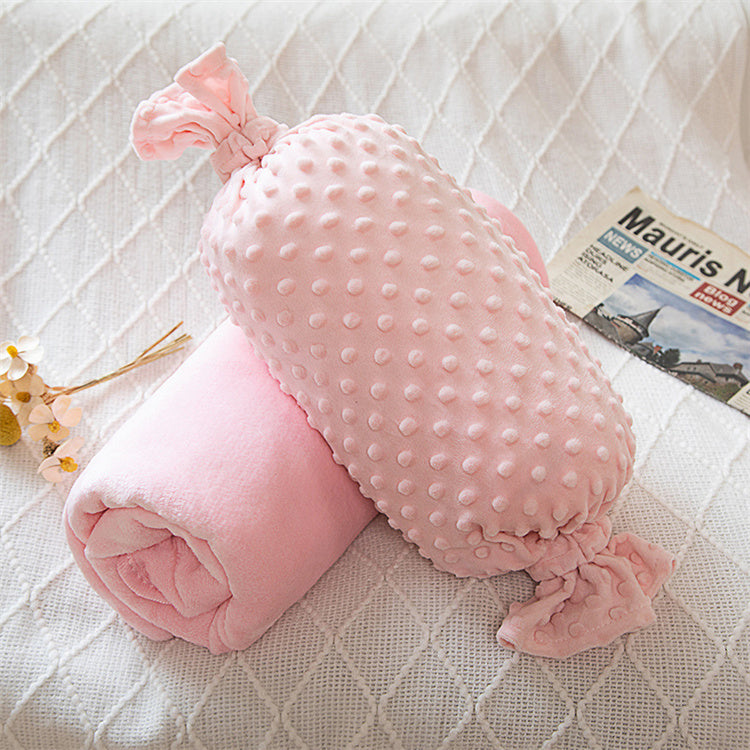
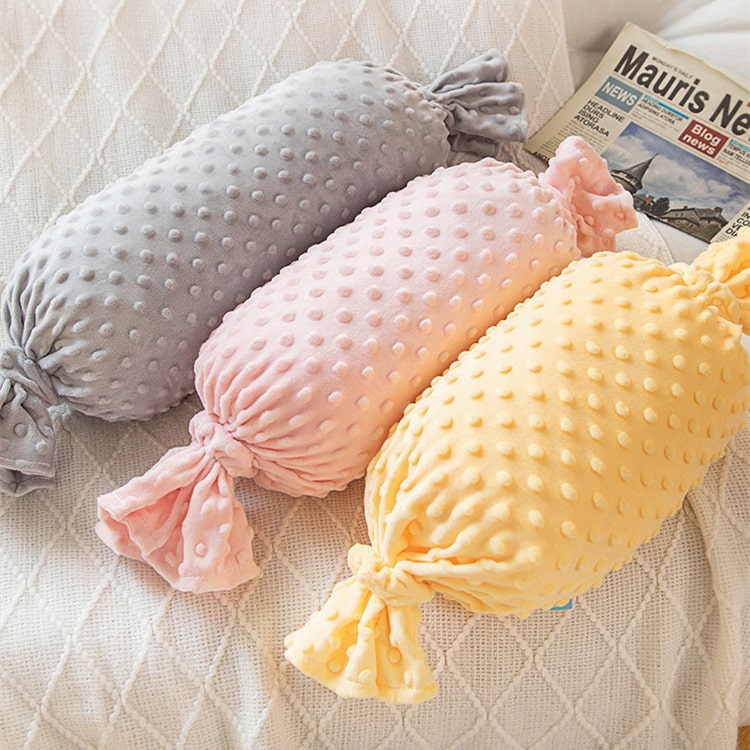
Layer in personality through cushions, wall art, and soft furnishings that complement the room’s colour scheme.
Try to avoid overfilling the space; children need room to move and grow. Think long-term by choosing timeless pieces that can transition from toddler to tween with small updates.
The beauty of a thoughtfully designed kids room lies in its flexibility. A well-placed bookshelf can become a display for trophies later on. A sturdy storage bench doubles as seating for friends. A durable play mat evolves from tummy time to puzzle building headquarters.
Above all, remember that this is your child’s sanctuary. Involve them in small decisions — perhaps choosing a colour accent or organising their bookshelf. When children feel included, they’re more likely to take pride in their space.
In the next article, we’ll explore how to design the ultimate play-focused bedroom — without sacrificing style.
FAQ’s:
How can I encourage my child to play in their bedroom?
Is there a way to disguise storage solutions in my child’s bedroom?